

—
I found out about bala baiana the way I find most great desserts: someone brought them to a party, I ate three before asking what they were, then spent a week mildly obsessed. A friend from São Paulo had made them for a potluck, and when I asked for the recipe she laughed and said, "It's just coconut, condensed milk, and patience."
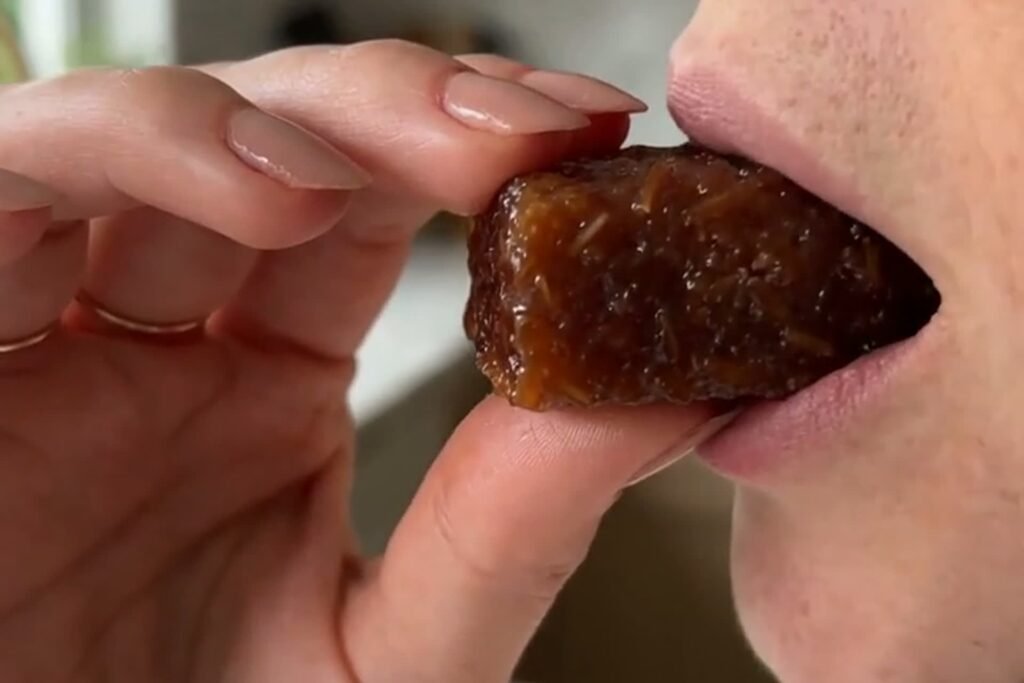
She wasn't wrong, but that undersells it. Bala baiana are little coconut balls wrapped in a glassy caramel shell, and biting through that crackly coating into the soft, milky coconut center is one of those food moments that makes you close your eyes. They're passed around at Brazilian festas juninas — June harvest festivals built around tables of homemade treats — and they carry that celebratory energy even when you're making them alone on a Tuesday.
The name means roughly "candy from Bahia," the northeastern Brazilian state known for its love of coconut — a place where coconut isn't a garnish, it's a way of life.
Why You'll Love Bala Baiana
These hit a texture combination that's hard to find elsewhere: a hard, glassy caramel shell that shatters over a chewy, coconutty, almost fudge-like center. It's the contrast that hooks you.
Six ingredients you probably already have: shredded coconut, condensed milk, sugar, butter, vanilla, salt. No specialty equipment, no overnight anything — under an hour, start to finish.
And they're beautiful with zero decorating effort — that caramel comes out glossy and amber on its own, the kind of candy that looks impressive in a gift box. I bagged a dozen with a ribbon last Christmas and people assumed I'd bought them.
Vegetarian as written (only dairy is butter and condensed milk). For a fully vegan version, coconut condensed milk works beautifully — notes in the tips.
Ingredients
- 2 cups (160g) sweetened shredded coconut
- 1 can (14 oz / 397g) sweetened condensed milk
- 1 cup (200g) granulated sugar, for the caramel
- 2 tbsp unsalted butter
- 1 tsp pure vanilla extract
- Pinch of fine sea salt
Coconut note: Sweetened shredded coconut gives the best chewy texture — it's what the traditional recipe uses. Unsweetened works but the centers turn drier; add an extra tablespoon of condensed milk if you go that way. Skip coconut flour or fine desiccated coconut, which go pasty.
Equipment: a medium heavy-bottomed saucepan, a wooden spoon, a parchment-lined baking sheet, and a small bowl of water for wetting your hands when rolling.
Instructions
1. Cook the coconut mixture. Combine coconut, condensed milk, butter, vanilla, and salt in the saucepan over medium-low heat. Stir constantly — this goes from fine to scorched in the time it takes to check your phone. After 10–12 minutes it thickens noticeably and pulls away from the sides as you stir; you'll see the pan bottom flash with each stir. That's your cue. Off the heat, cool 20–30 minutes until handleable.
2. Roll the balls. Wet your hands (keeps the sticky mix off your fingers) and roll 1-inch balls — 20 to 24 of them — onto the parchment. If the mix is too warm and sticky to roll, cool it longer; don't add extra coconut, which throws off the texture. Chill the tray 15 minutes to firm up.
3. Make the caramel. Put the sugar in a clean, dry saucepan over medium heat. Let the edges start melting, then swirl or stir gently as needed. Aim for deep amber, like a copper penny, thin and fluid — 5–7 minutes. Watch it like a hawk at the end; caramel goes from perfect to bitter-burnt fast. With a thermometer, pull at 300°F (150°C), the hard-crack stage.
4. Coat. Working quickly, drop one ball into the caramel, roll with a fork to coat fully, lift, let excess drip, set on parchment. The caramel hardens fast, so move with purpose — and keep fingers clear, because molten sugar burns are no joke. If it thickens mid-batch, warm 30 seconds over low heat.
5. Set. Shells harden in 10–15 minutes at room temperature. They're done when no longer tacky and they click faintly when tapped. Give them a few minutes past that before eating — the center needs to come back to room temp for the full experience. (I say this as someone who has burned her tongue on a fresh one more than once.)
Tips
- Don't rush the coconut mixture. Undercook it and the balls go too soft to survive the hot caramel dip. The pulls-away-from-the-pan test is reliable — trust it.
- Keep everything dry for the caramel. Water in hot sugar sputters violently. Dry spoon, dry fork, dry hands before coating.
- Nervous? Halve the caramel. Coat half the balls, then make a fresh batch. Fresh caramel is easier than reheated.
- Vegan version: coconut oil for butter, coconut sweetened condensed milk for dairy. Arguably even better — coconut on coconut.
- Uneven texture? Pulse the cooked mixture a few times in a food processor before rolling. Some coconut brands have longer strands.
Serving and Storage
Best at room temperature, when the center is soft and the shell has that glassy snap. From the fridge they're harder all around — let them warm 20 minutes. Pile in a bowl for parties, wrap individually in wax-paper twists for gift bags, or set out next to something chocolate for contrast. One batch makes about two dozen, and I won't judge if half never reach the container.
Storage: airtight at room temp up to a week, refrigerated two weeks. In humid weather they can go sticky — a light dusting of powdered sugar fixes it.
FAQ
Why is my caramel grainy?
Sugar crystals splashed up the pan sides likely seeded crystallization. Next time brush the sides down with a wet pastry brush, or swirl instead of stirring. Grainy still tastes fine, just less glassy.
Do I need a candy thermometer?
Not strictly, but it removes guesswork: 300°F (150°C) for a hard shell. Below 290°F it stays tacky; above 310°F it turns bitter.
My balls fell apart in the caramel. Why?
Centers were undercooked or too warm. Cook the mix until it truly pulls away from the pan, and chill the rolled balls before coating — cold, firm balls hold up far better.
Can I freeze them?
Freeze the uncoated coconut balls up to two months, then coat fresh whenever you want. Finished candies keep about a week at room temp.